Best Hotel Outdoor Seating Options for Your Business Needs?
In today's competitive hospitality landscape, having exceptional Hotel Outdoor Seating can significantly boost a business. Expert John Thompson, a renowned designer in the hospitality industry, stated, "Outdoor seating should always blend comfort and style." His insight highlights the importance of creating inviting spaces for guests.
With a growing demand for al fresco dining, many hotels are redefining their outdoor areas. A well-designed seating arrangement enhances the guest experience. It encourages patrons to linger longer, leading to increased sales and customer loyalty. From cozy fire pits to stylish lounges, options abound. However, choosing the right furniture requires careful consideration of durability and aesthetics.
Establishing an appealing outdoor seating area isn’t without its challenges. Weather extremes can impact the viability of many materials. Additionally, space constraints can limit design possibilities. Businesses must navigate these factors carefully. The goal is to create a beautiful and functional environment that resonates with guests. A successful outdoor seating space can set a hotel apart from its competitors.
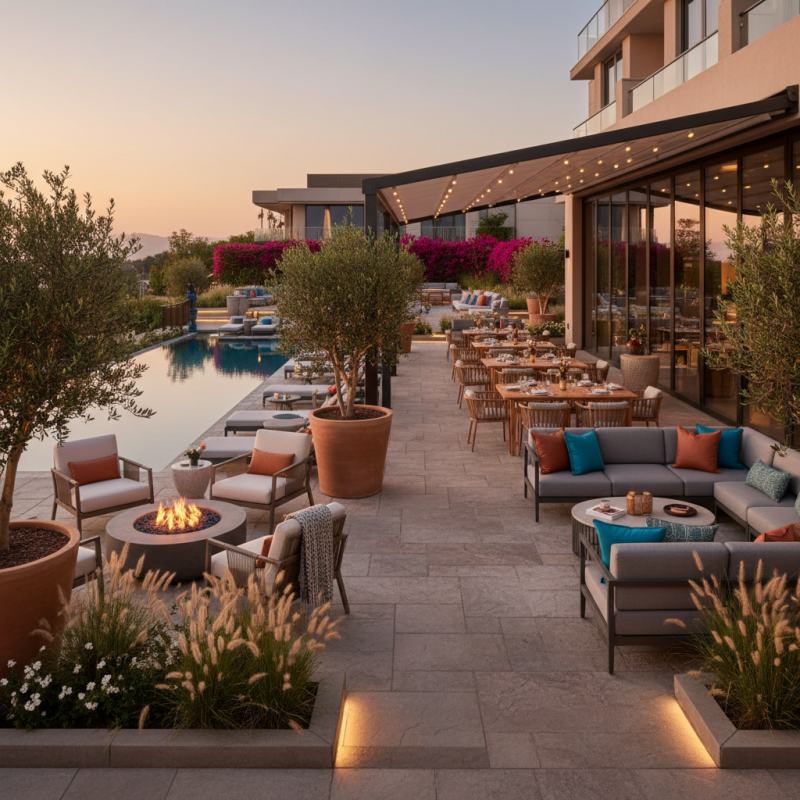
Factors to Consider for Outdoor Seating in Hotels
When selecting outdoor seating for hotels, several factors come into play. Consider the local climate. Hot, sunny areas may require shaded options, like umbrellas or awnings. In contrast, cooler regions might benefit from heaters or cozy blankets. Your seating should align with these environmental factors to enhance guest comfort.
Think about the style and ambiance. The outdoor area should reflect the unique vibe of your hotel. Whether it’s casual seating or elegant lounge chairs, ensure it resonates with your brand’s identity. For instance, minimalist designs can create a modern feel, while ornate furniture might add a touch of luxury. It’s crucial to create a cohesive look that invites relaxation.
Guest flow is another consideration. If your outdoor space is too cramped, it might discourage use. Aim for a layout that allows easy movement, while still providing intimacy. Also, consider accessibility. Ensure pathways are clear for all guests. This thoughtful approach can lead to better customer experiences and increased satisfaction with your hotel’s offerings.
Best Hotel Outdoor Seating Options for Your Business Needs
| Seating Type | Material | Comfort Level | Weather Resistance | Price Range | Ideal Use Case |
| Patio Chairs | Plastic/Aluminum | Medium | Water-resistant | $50 - $100 | Casual Dining Areas |
| Sofa Sets | Wood/Fabric | High | Weather-resistant fabrics | $200 - $500 | Lounging Areas |
| Picnic Tables | Wood/Steel | Medium | Good for outdoor | $150 - $300 | Family-friendly Areas |
| Lounge Chairs | Plastic/Wicker | High | All-weather | $100 - $250 | Poolside Areas |
| Bar Stools | Metal/Wood | Medium | Rust-resistant | $75 - $200 | Rooftop Bars |
Types of Outdoor Seating Options Available for Hotels
When it comes to outdoor seating options for hotels, variety is key. Comfortable lounge chairs, stylish dining sets, and community fire pits create inviting atmospheres. According to a recent industry report, 70% of guests prefer outdoor dining when weather permits. This preference indicates that investing in quality outdoor seating can significantly enhance guest satisfaction.
Space is often limited, which challenges hotel managers. Modular seating arrangements maximize utility while maintaining aesthetics. Additionally, versatility in design allows hotels to cater to both small and large groups. Research shows that hotels with diverse outdoor seating options can increase revenue by up to 20%. This data emphasizes the importance of adapting spaces to meet fluctuating guest demands.
It’s essential to balance aesthetics and functionality. While trendy designs can attract guests, they must also withstand weather conditions. Regular maintenance is crucial to ensure the longevity of outdoor furniture. Failure to do so may lead to safety hazards or diminished guest experiences. Investing wisely means considering both durability and style in your choices. It’s a delicate dance between aesthetics and practicality, but worth the effort for a successful outdoor seating area.
Best Hotel Outdoor Seating Options
This chart illustrates the popularity of various outdoor seating options for hotels. Patio furniture and outdoor dining sets are the most favored choices, essential for enhancing guest experiences in outdoor spaces.
Designing Outdoor Spaces: Aesthetic and Functional Considerations
Designing outdoor spaces for hotels requires a balance of aesthetics and functionality. Outdoor seating options can significantly enhance guest experience. According to a 2022 survey by the American Hotel and Lodging Association, 75% of travelers prefer hotels with outdoor areas. This trend highlights the rising demand for well-designed outdoor spaces.
Creating a welcoming atmosphere involves selecting the right furniture that fits the theme of the hotel. It’s essential to consider materials that withstand weather variations. Additionally, data from the International Journal of Hospitality Management reveals that well-designed outdoor spaces can increase customer satisfaction ratings by up to 20%. However, figuring out the best arrangement can be challenging.
While aesthetics attract guests, functionality keeps them comfortable. Overcrowding outdoor areas can deter potential clients. Guests often seek privacy and tranquility. Finding a balance is critical. Thoughtful placement of greenery can enhance the experience but requires space management. Regular assessment of guest feedback is vital, as expectations evolve.
Enhancing Guest Experience with Comfortable Outdoor Seating
Creating a welcoming outdoor seating area can significantly enhance the guest experience. Comfortable seating options, such as plush cushions and weather-resistant furniture, encourage customers to linger longer. The ambiance can be greatly improved with adding planters filled with lush greenery or colorful flowers. These details not only provide comfort but also create a visually appealing environment that invites guests to unwind.
Additionally, it's essential to consider the layout. An open space can lead to a casual atmosphere, while a more intimate setting fosters conversation. However, finding the right balance can be tricky. Too much space might feel empty, while too little can feel cramped. Thoughtful placement of seating allows for better flow and accessibility.
Make sure to also consider the local climate. Providing shade during hot months or heat lamps for chilly evenings can enhance comfort, making outdoor seating more appealing year-round.
Maintenance and Durability of Outdoor Seating Materials for Hotels
Choosing the right outdoor seating materials for hotels is crucial. Durability and maintenance are key factors. Many hotels face challenges with weather-resistant materials. A report by the Outdoor Furniture Association indicates that 40% of outdoor seating fails to withstand harsh climates. This leads to costly replacements and maintenance.
Materials like aluminum and synthetic wicker are popular choices. They resist rust and fading, making them ideal for outdoor settings. Interestingly, wood remains a preferred option for its aesthetic appeal. However, untreated wood can rot or splinter over time, requiring regular maintenance. The National Association of Landscape Professionals recommends using treated wood for better longevity.
Some fabrics claim to be UV resistant. Yet, many fade over time, losing color and vibrancy. A recent study found that only 30% of fabrics labeled as "outdoor" truly meet durability standards. Regular cleaning is essential, but not all materials are easy to maintain. It’s essential to find a balance between appearance and practicality. Without appropriate care, even the best materials can fall short, leading to disappointing results for any hotel business.