How to Choose the Best Outdoor Seating for Your Space?
Choosing the right outdoor seating can dramatically enhance your space. According to outdoor design expert Sarah Thompson, “The right seating transforms not just the area, but the entire atmosphere.” In today’s world, outdoor seating is not merely functional; it plays a crucial role in our lifestyle and can make our gatherings more enjoyable.
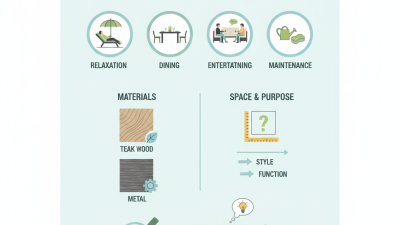
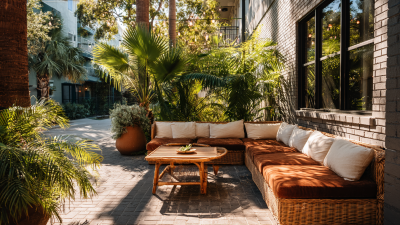
When considering outdoor seating, think about your specific needs. Do you want cozy chairs for intimate chats or sprawling sofas for entertaining? Reflect on the materials too. Weather-resistant options like teak or aluminum can hold up against the elements. However, not all designs provide the comfort and style you desire. It's essential to balance aesthetics with practicality.
Many people overlook how color schemes influence the ambiance. Bright colors can make spaces feel lively, while muted tones offer a calm retreat. Take your time to explore various options. Sometimes, what looks good in pictures may not suit your space. Be prepared to adapt and re-evaluate your choices. Ensuring your outdoor seating is both inviting and functional is key to creating a perfect outdoor oasis.
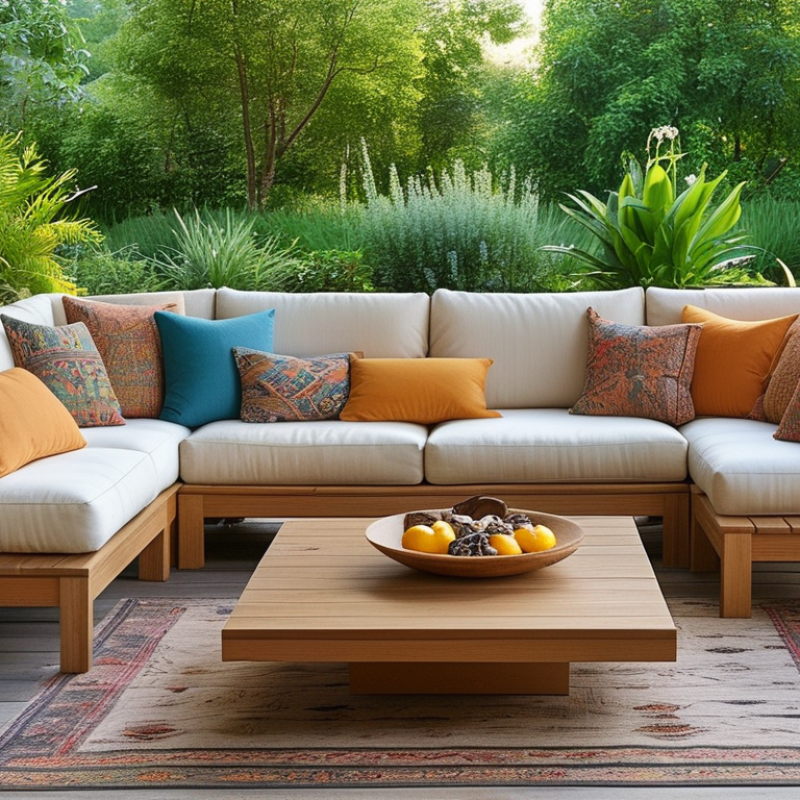
Understanding Your Outdoor Space and Needs
When choosing outdoor seating, it is crucial to understand the unique characteristics of your space. A study from the American Society of Landscape Architects reveals that 65% of homeowners prioritize outdoor living areas. This highlights the importance of selecting seating that fits seamlessly into your environment. You should consider the size, shape, and orientation of your outdoor area. For example, a small balcony requires compact furniture that allows for movement. On the other hand, a spacious patio provides an opportunity for larger, more elaborate seating arrangements.
Another key factor is your lifestyle and how you intend to use the space. According to a recent report by the Outdoor Industry Association, 54% of Americans regularly use their outdoor space for social gatherings. If entertaining is a priority, look for durable seating that can accommodate groups. However, be cautious about trends that may not align with your needs. Oversized or overly decorative pieces might look appealing but could compromise comfort. Balance aesthetic appeal with functionality to create an inviting atmosphere.
Evaluating Different Types of Outdoor Seating Options
When evaluating different types of outdoor seating options, consider your space's layout and purpose. Benches offer a communal vibe, perfect for family gatherings. They invite conversations but can feel too formal in smaller areas. Chairs, on the other hand, provide flexibility. They are easy to move around, accommodating various layouts.
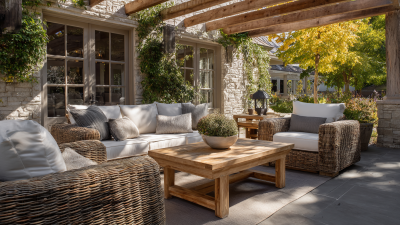
Material is also crucial in your decision. Wood gives a classic look but requires maintenance. Metal is durable and modern, but it can heat up quickly under direct sunlight. Wicker provides a cozy feel, yet it may not withstand harsh weather. Think about these aspects when making your choice.
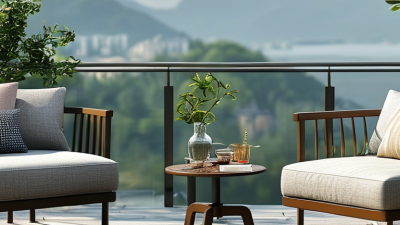
Comfort is paramount. Cushions enhance relaxation but may need frequent cleaning. Check the seat height and back support. A low chair might be inviting but can lead to discomfort over time. Reflect on your needs and lifestyle to find the best fit. Each option has its pros and cons, so weigh them carefully to create a perfect outdoor oasis.
Choosing Materials for Durability and Comfort
When selecting outdoor seating, the materials matter significantly. According to a report from the Outdoor Furniture Association, 70% of consumers prioritize durability over aesthetics. Materials like aluminum and teak have gained popularity due to their resilience against the elements. Aluminum is lightweight and rust-resistant. Teak, a hardwood, is naturally resistant to moisture and pests, making it ideal for outdoor use.
Comfort also plays a crucial role. The right cushioning can enhance the outdoor experience. Research indicates that seating with high-density foam lasts longer and maintains its shape better than lower-quality options. Even the most durable frames can feel uncomfortable without proper padding. Moreover, fabrics such as solution-dyed acrylic are not only weatherproof but also fade-resistant. But one must consider the maintenance aspect. Some materials require regular upkeep, while others need little attention.
Lighting and climate can impact material choice. In sunny areas, lighter colors are less likely to absorb heat. Yet, darker materials might fade quicker under harsh sunlight. It’s essential to weigh these factors carefully. Find a balance between durability and aesthetics, ensuring your outdoor seating not only looks great but feels comfortable.
Durability of Outdoor Seating Materials
Considering Style and Aesthetic Integration
When selecting outdoor seating, style and aesthetic integration are vital. Your space should reflect personal taste while complementing existing elements. Consider the colors of your walls, plants, and any hardscaping. A well-chosen seating option can enhance these features.
Natural materials often work well in outdoor settings. Wooden furniture can evoke warmth, creating an inviting atmosphere. However, wood requires maintenance. It may warp or fade over time, leading to concerns about longevity. You might want to look at metal options that are sturdy yet stylish. They can withstand various weather conditions without losing their appeal.
Textures also play a crucial role in creating a cohesive look. Pairing smooth surfaces with textured fabrics can add depth to your arrangement. But remember, contrasting styles must harmonize. A mismatched ensemble may distract from your outdoor oasis rather than enhance it. Regularly reassessing your choices ensures that your outdoor seating remains functional and visually appealing.
Assessing Budget and Long-term Investment Value
When selecting outdoor seating, it’s essential to assess your budget. Quality materials often come at a higher price, but they provide longer-lasting value. For instance, metal frames can withstand harsh conditions better than wood. However, wooden furniture can offer a classic aesthetic that some prefer, even if it requires maintenance.
Consider how long you plan to use the seating. Investing in durable, weather-resistant materials may seem expensive. But in the long run, it can save you money on replacements. Some people opt for cheaper options initially, only to regret it later. Reflect on what types of seating will best serve your needs, both now and in the future.
Think about the space where the seating will go. Will it be covered or exposed to the elements? Your choice should align with this. A beautiful set might look appealing, but it could require excessive care if exposed to rain and sun. A practical approach often leads to better decisions. Balance aesthetics with functionality for lasting satisfaction.